 Clearance
 Preloved Instruments


Metronomes, all you need to know!

Why Every Musician Needs a Metronome: Uses and Benefits
Imagine having a steady, reliable guide that helps you master the rhythm of your favorite pieces, keeping you perfectly in time. That's exactly what a metronome does. Whether you're just starting out or have been playing for years, this humble device can transform your practice sessions, making them more productive and enjoyable. In this post, we'll explore why metronomes are essential tools for musicians, how they can improve your playing, and why they're still as relevant today as ever.
What Are Metronomes Used For?
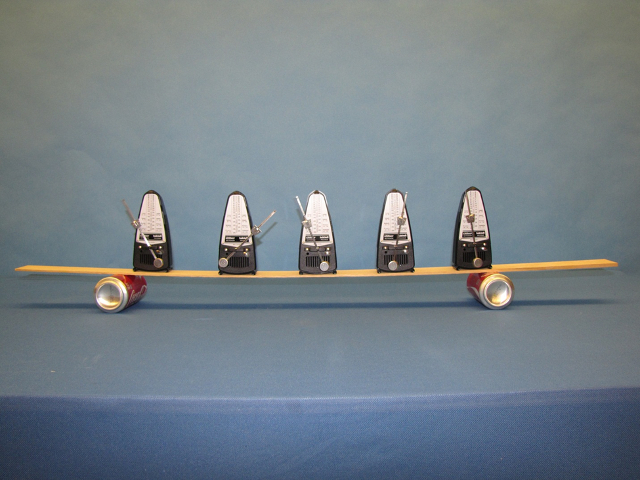
Metronomes are essential tools for musicians, providing a consistent, audible beat to help maintain a steady tempo. They are vital in various aspects of musical practice, performance, and recording, assisting musicians in developing precision, accuracy, and a solid sense of timing.
Historical Background
The metronome, as we know it today, was popularized in the early 19th century by Johann Maelzel, although the initial concept was developed by Dietrich Nikolaus Winkel. Maelzel's metronome used an adjustable weight on an inverted pendulum to control the tempo, producing a clicking sound with each oscillation. This invention allowed musicians to practice at precise tempos, measured in beats per minute (BPM), which became a standard method for tempo indication in music (Wikipedia) (Encyclopedia Britannica).
Types of Metronomes
Metronomes come in various forms:
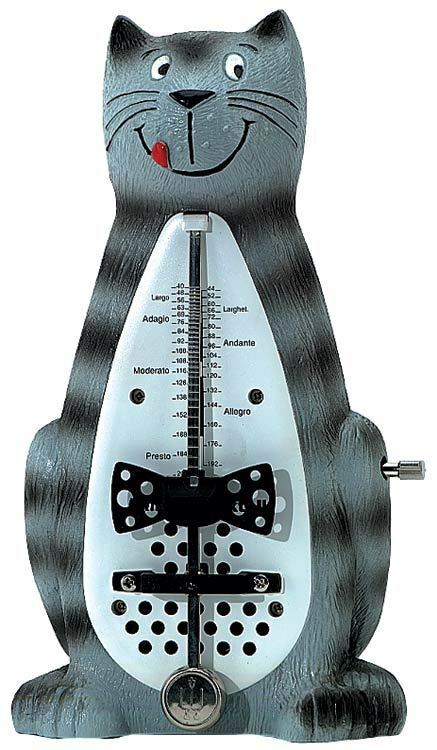
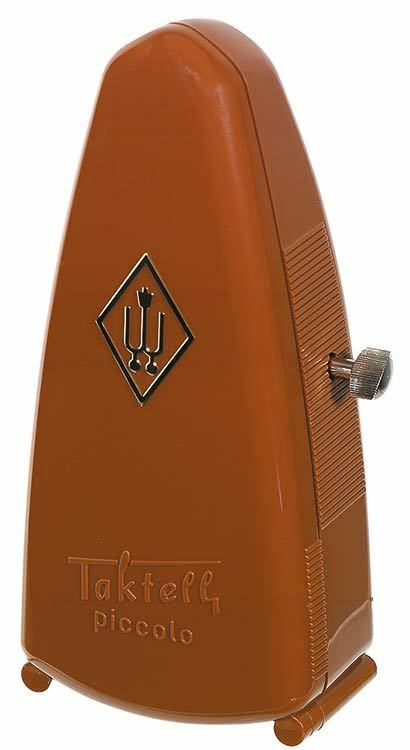
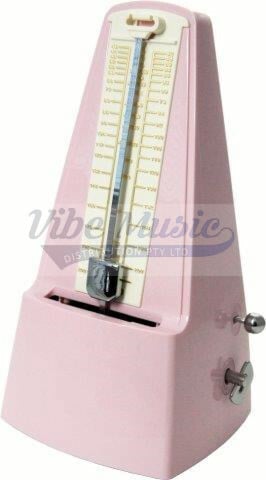
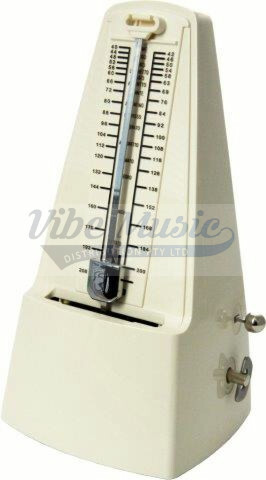
- Mechanical Metronomes: These traditional devices use a pendulum mechanism powered by a spring. They are reliable and visually engaging, with the swinging pendulum providing a clear visual cue alongside the audible clicks. However, they require winding and are less versatile than their electronic counterparts.
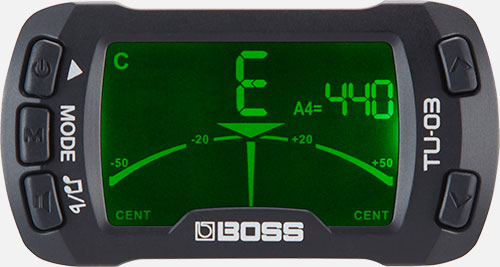
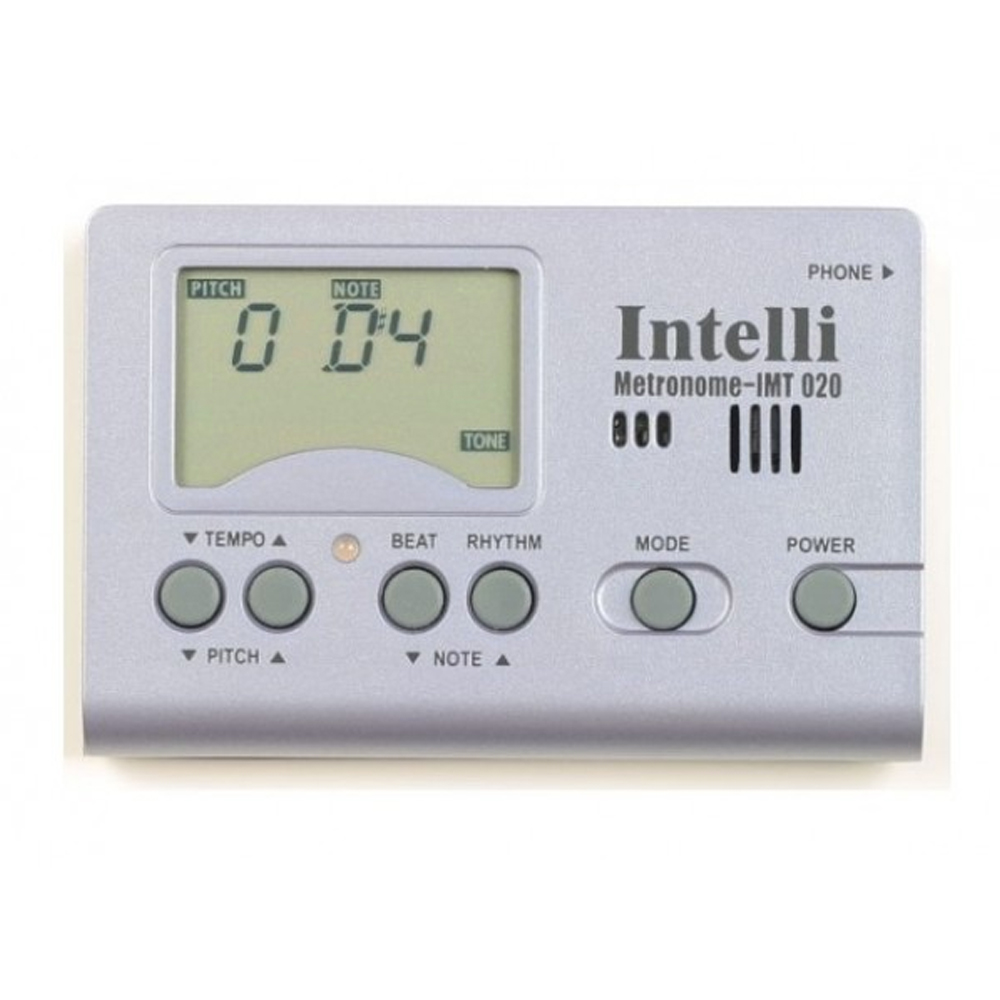
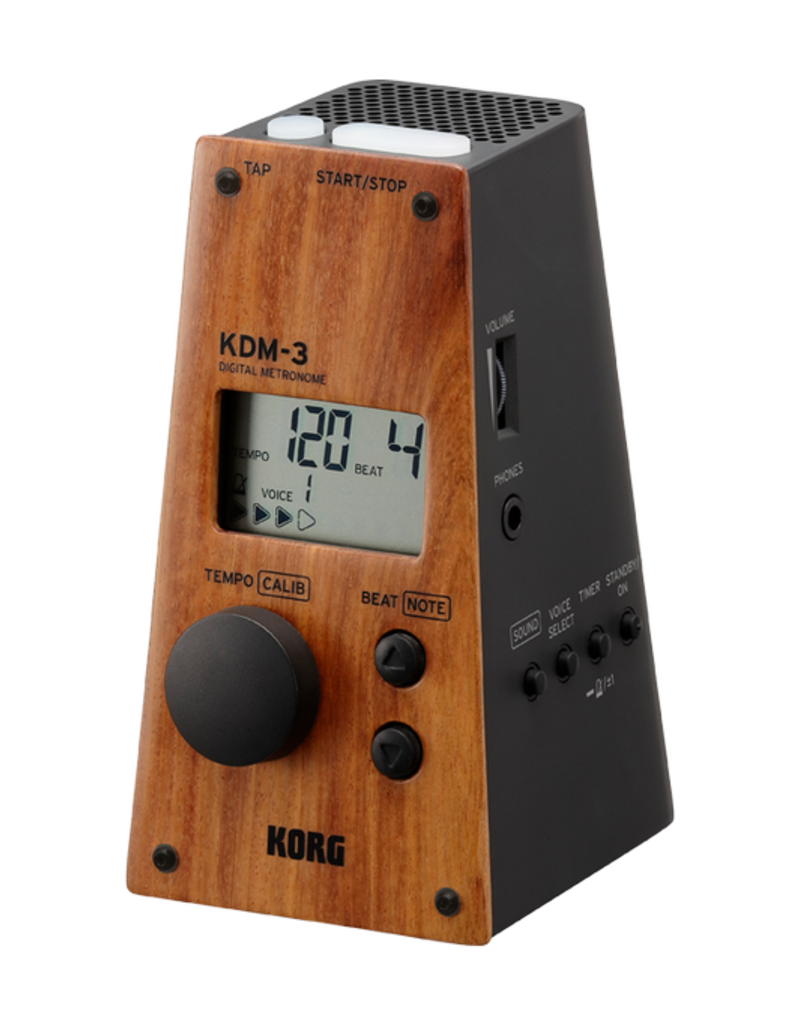
- Electronic or Digital Metronomes: Modern electronic metronomes use quartz crystals to maintain accurate tempo and often include additional features such as adjustable volumes, different sound options, and the ability to produce complex time signatures. They are more portable and require less maintenance than mechanical metronomes.
- Metronome Apps: Available on smartphones and other digital devices, these apps offer the convenience of always being accessible and often include a variety of sounds and customization options. However, they can be subject to distractions from other phone activities (Wikipedia) (Musician Wave).

Uses of Metronomes
- Practice: The primary use of a metronome is in daily practice. By providing a steady beat, it helps musicians develop a strong internal sense of timing, ensuring they play rhythms accurately. This is particularly beneficial for beginners who are still learning to maintain a consistent tempo.
- Recording: In the studio, metronomes (often referred to as click tracks) are crucial for maintaining a consistent tempo across different recording sessions. This consistency allows for easier editing and mixing of tracks, ensuring that all parts of a song align perfectly (Phamox Music).
- Live Performance: Some musicians, especially drummers, use metronomes during live performances to keep the tempo steady. This is especially important when playing with backing tracks or complex arrangements, helping to synchronize the entire band (Wikipedia) (Phamox Music).
- Teaching: Metronomes are valuable teaching tools, helping students understand the importance of timing and rhythm. Teachers often use metronomes to guide students through difficult passages, gradually increasing the tempo as the student's proficiency improves.
Benefits of Using a Metronome
- Improved Timing: Regular practice with a metronome helps musicians internalize a steady beat, leading to improved timing and rhythmic precision.
- Tempo Control: Metronomes allow musicians to practice at different tempos, gradually increasing the speed as they become more comfortable with a piece.
- Consistency: Maintaining a consistent tempo is crucial in both practice and performance, ensuring that the music sounds cohesive and professional.
- Focus and Discipline: Using a metronome encourages focus and discipline during practice sessions, helping musicians develop a structured approach to learning new pieces.
Why Do Pianists Use Metronomes?
Pianists benefit greatly from using metronomes, which are crucial for developing a strong sense of timing and rhythm. These tools provide a steady beat, helping musicians play accurately and expressively. Here’s an in-depth look at how metronomes aid pianists:
Developing Rhythm and Timing
One of the primary benefits of using a metronome is the development of a strong internal sense of pulse. Regular practice with a metronome helps pianists internalize a consistent beat, which is essential for maintaining tempo throughout a piece. This practice helps prevent the common tendency to speed up or slow down while playing, ensuring a steady tempo even without the metronome (HelloSimply, PIANOLY).
Learning Complex Rhythms
Metronomes are invaluable for mastering complex rhythmic patterns. By breaking down difficult rhythms and practicing them slowly with a metronome, pianists can gradually build up to the correct tempo. This method, known as subdivision, involves clapping or vocalizing the rhythm to internalize it before playing it on the piano (Online Piano Coach, Piano Reviewer).

Consistency and Accuracy
Practicing with a metronome forces pianists to play consistently. This consistency is crucial not just for solo performances but also when playing with others, as it ensures that all musicians stay in sync. Moreover, metronomes help identify parts of the music where the player may unintentionally change the tempo, highlighting areas that need more practice (PIANOLY, PlayPiano).
Enhancing Practice Efficiency
Using a metronome can make practice sessions more efficient. By setting clear, measurable goals for tempo and rhythm, pianists can track their progress more effectively. This structured approach allows for focused practice on specific sections of music, gradually increasing the tempo as proficiency improves (Online Piano Coach, Piano Reviewer).
Preparing for Performance
Metronomes are also essential tools for performance preparation. They help pianists practice pieces at the tempo intended by the composer, ensuring that the performance is accurate and true to the original composition. Additionally, practicing with a metronome can reduce performance anxiety by instilling confidence in the pianist’s ability to maintain a steady tempo (PlayPiano, HelloSimply).
Building Discipline and Focus
Regular metronome practice fosters discipline and concentration. The need to keep in time with the metronome encourages meticulous attention to detail and helps build a structured practice routine. Over time, this disciplined approach translates into improved overall musicianship and technical proficiency (PIANOLY, Piano Reviewer).
Practical Tips for Using a Metronome
- Start Slow: Begin practicing a new piece at a slower tempo to ensure accuracy. Gradually increase the speed as you become more comfortable with the rhythm and notes.
- Use Subdivision: For complex rhythms, break them down into smaller, manageable parts and practice each part slowly with the metronome.
- Set Clear Goals: Determine specific tempo goals for your practice sessions and track your progress to stay motivated.
- Vary the Click Sound: Experiment with different metronome sounds to keep practice sessions engaging and avoid monotony.
- Maintain a Steady Tempo: This is essential for playing pieces as intended by the composer.
- Improve Accuracy: It helps in playing notes evenly and correctly.
- Tackle Difficult Passages: Gradually increasing the metronome speed allows pianists to master challenging sections of music.
Are Metronomes Still Used?
Absolutely! Metronomes remain an essential tool for musicians of all levels, from beginners to professionals. With advancements in technology, modern digital metronomes and metronome apps have gained popularity alongside traditional mechanical models. These devices continue to play a crucial role in both practice and performance preparation.
Continued Relevance of Metronomes
- Practice Tool: Metronomes are invaluable for practice sessions. They help musicians maintain a consistent tempo, develop a strong internal sense of timing, and improve rhythmic precision. Regular use of a metronome can significantly enhance a musician's ability to play in time, which is fundamental for any musical performance.
- Recording Tool: In recording studios, metronomes, often referred to as "click tracks," are used to ensure that all parts of a track align perfectly during recording. This is especially important in multi-track recording sessions where different instruments or vocal parts are recorded separately and then layered together. Consistent tempo maintained by a metronome ensures seamless editing and mixing of tracks (Phamox Music).
- Live Performances: Musicians, particularly drummers and those using in-ear monitors, frequently use metronomes during live performances to keep a steady tempo. This practice helps synchronize the entire band, especially in complex arrangements or when playing with backing tracks (BBC Maestro).
Why Do People Listen to Metronomes?
Listening to a metronome helps musicians stay in sync with the beat, improving their timing and building a solid rhythmic foundation. This synchronization is crucial for both solo practice and ensemble performances.
Developing Better Musical Timing
A metronome provides a steady beat, training musicians to play in time, which helps in developing muscle memory and maintaining a steady tempo (Musicnotes).
Enhancing Focus and Consistency
Metronomes help musicians focus on the beat, ensuring consistent playing throughout a piece. Regular practice with a metronome enhances attention to detail, making it easier to handle tempo changes (This is Classical Guitar, Lessonface).
Learning Complex Rhythms
Metronomes are invaluable for mastering complex rhythms. By practicing slowly with a metronome, musicians can build up to the correct tempo, understanding and playing complex passages accurately (Musicnotes, BBC Maestro).
Practical Benefits in Recording and Live Performance
In recording sessions, metronomes ensure consistent tempo, aiding in seamless editing and mixing. During live performances, especially for drummers, metronomes help maintain a steady tempo, ensuring synchronization across the band (Wikipedia, BBC Maestro).
Building Confidence and Reducing Performance Anxiety
Practicing with a metronome can build confidence in maintaining a steady tempo, allowing musicians to focus on expressive performance aspects. This preparation helps them perform better on stage (Musicnotes, This is Classical Guitar).
Do Professional Musicians Use Metronomes?
Yes, professional musicians frequently use metronomes. They are essential for practice, rehearsals, and some recording sessions, helping musicians develop and maintain a strong sense of rhythm and timing, crucial for accurate performances (Phamox Music, A Studio Magazine).
Do Drummers Listen to Metronomes Live?
Many drummers use metronomes, often referred to as "click tracks," during live performances. This practice helps maintain a consistent tempo, which enhances the overall performance quality and ensures synchronization across the band.
Benefits of Using Metronomes Live if you are a Drummer:
- Consistency and Timing: Metronomes provide a steady tempo, helping drummers keep a consistent beat throughout the performance. This is crucial for synchronization with other band members and for maintaining the structure of songs, especially those with complex arrangements or backing tracks (Sweetwater).
- Improved Musicianship: Playing with a click track can improve a drummer's timing and rhythm accuracy. It allows drummers to focus on their performance without worrying about tempo fluctuations, making them more precise musicians over time (Drum That).
- Synchronization with Technology: Modern performances often include pre-recorded elements, such as backing tracks or sequenced parts. Using a metronome ensures that the live elements stay in sync with these pre-recorded tracks, providing a seamless integration of live and digital music (Drum That).
Challenges and Criticisms:
- Dependency: Over-reliance on a metronome can lead to a lack of development in a drummer's internal sense of timing. This dependency can make it challenging to perform without a click track, potentially affecting the natural feel and dynamics of the music (Drum That).
- Mechanical Feel: Some musicians argue that playing to a metronome can make the performance feel stiff and robotic, lacking the natural ebb and flow of live music. It's important for drummers to balance the use of metronomes with developing their internal clock and ability to adjust tempo naturally during a performance (Drum That).
Practical Use in Live Settings:
Drummers often use metronomes during rehearsals to solidify the tempo and structure of songs. In live settings, especially for large shows or those involving intricate setups, using a click track can be essential. Some drummers listen to the click track through in-ear monitors, allowing them to keep time without the audience noticing (Music Stack Exchange).
In summary, while there are both advantages and disadvantages to using metronomes live, many drummers find them to be an invaluable tool for maintaining consistency and improving performance quality. Balancing the use of metronomes with natural timing skills can lead to more dynamic and engaging performances.

Is It Worth Buying a Metronome?
Investing in a metronome is highly worthwhile for any musician. It aids in improving timing, rhythm, and overall musicality. A metronome helps musicians develop a strong internal sense of timing and rhythm, making it easier to tackle complex pieces and perform with confidence (Phamox Music, Hip Hop Makers).
Is It Good to Practice Piano with a Metronome?
Practicing piano with a metronome is extremely beneficial. It helps:
- Develop a Sense of Timing: Essential for playing pieces correctly.
- Improve Evenness: Ensures that notes are played evenly.
- Tackle Challenging Pieces: Breaks down complex pieces into manageable tempos.
- Improved Timing and Rhythmic Accuracy: Essential for precise playing.
- Steady Tempo Development: Helps maintain consistency in playing.
- Enhanced Ensemble Playing: Improves the ability to play with other musicians.
- Tackling Difficult Passages: Gradually increasing speed makes mastering challenging sections easier.
- Increased Discipline and Focus: Encourages better practice habits.
What Are the Benefits of Practicing with a Metronome?
Practicing with a metronome offers numerous benefits, including:
Why Are Metronomes Calming?
The repetitive and predictable sound of a metronome can have a calming effect, similar to a ticking clock or rhythmic breathing. This steady pulse helps musicians focus and enter a state of flow during practice.
How Accurate Are Metronomes?
Modern digital metronomes are highly accurate, providing precise beats per minute (BPM). Traditional mechanical metronomes are also reliable but may require occasional calibration to maintain their accuracy.
Did Beethoven Use a Metronome?
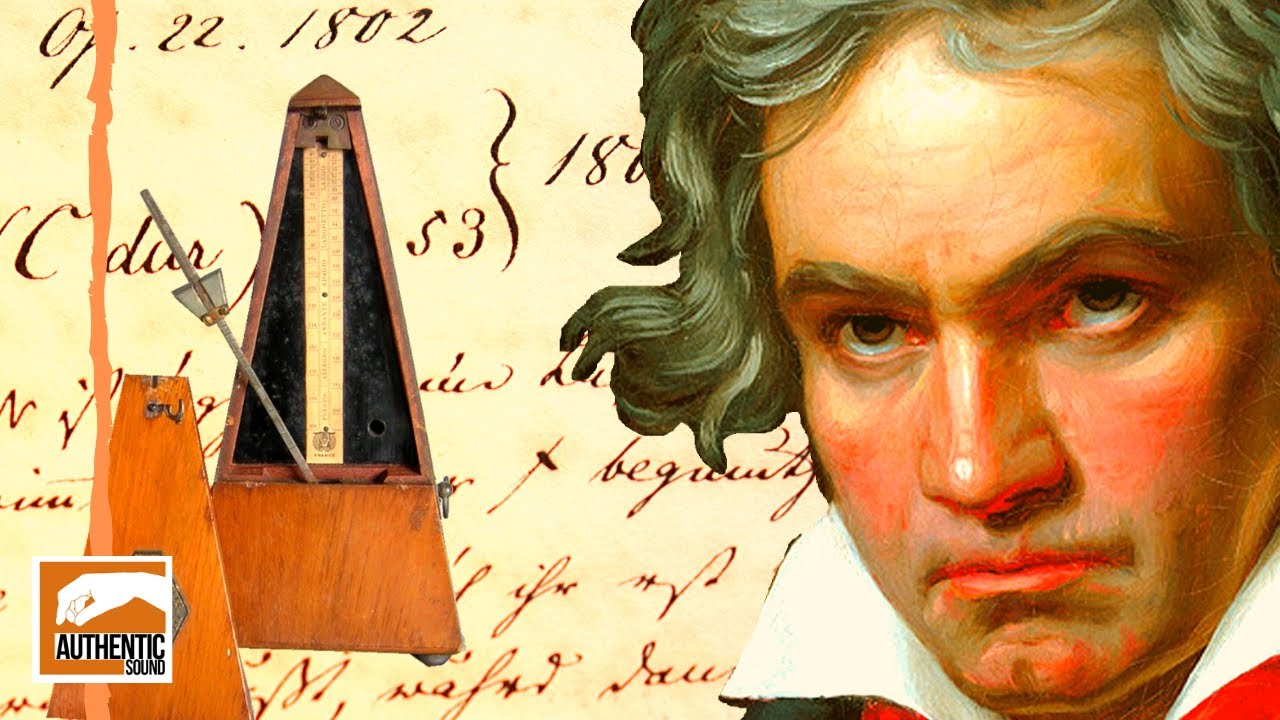
Indeed, Beethoven used a metronome later in his life, after its invention by Johann Nepomuk Maelzel around 1815. Initially, Beethoven was somewhat skeptical about the device, but he eventually recognized its value. By 1817, he began incorporating metronome markings into his compositions, including some of his earlier works like the first eight symphonies.
Beethoven's adoption of the metronome was significant because it allowed him to specify the exact tempo he intended for his pieces, providing a clearer guide for future performers. He meticulously included both Italian descriptive phrases and precise metronome markings in his scores to ensure the intended tempos were understood and followed (LV Beethoven, Benjamin Zander, Boston Baroque).
There has been some controversy and debate over Beethoven's metronome markings. Some musicians and scholars have found his indicated tempos to be excessively fast, leading to speculation that his metronome might have been faulty or that his hearing loss affected his perception of tempo. Despite these debates, the use of the metronome by Beethoven was a groundbreaking step in music composition and performance, emphasizing the importance of precise timing (Smithsonian Magazine, Boing Boing).