


 Clearance
 Preloved Instruments


Kawai Pianos, are they good?

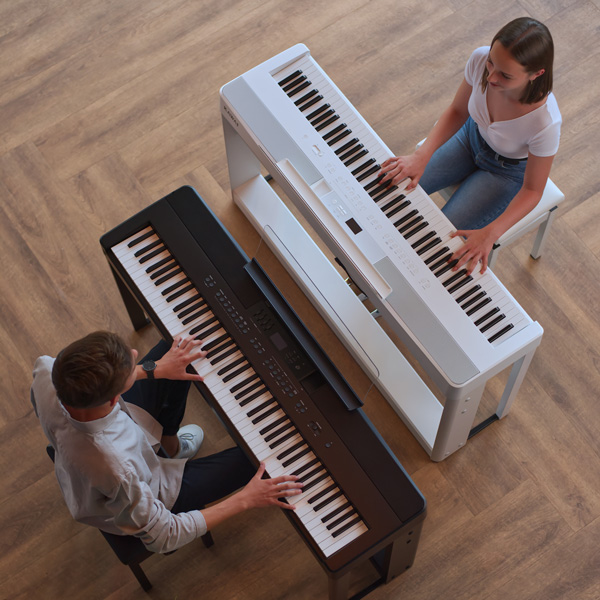
Kawai Pianos, are they good?
Acoustic & Digital Excellence at Carlingford Music Centre
Are Kawai pianos good? Absolutely—and here at Carlingford Music Centre, we back that up every day. Decades of Japanese craftsmanship mean Kawai’s Millennium III ABS-Carbon action and aged Sitka spruce soundboards work together to deliver rock-steady touch, a wide dynamic range and crystal-clear tone.
Here’s why Kawai stands out: their ABS-Carbon action resists humidity and wear, so your touch stays consistent; their voicing is finely tuned for both powerful fortissimos and delicate pianissimos; and you can pick finishes—polished ebony, satin walnut or custom veneers—that fit any décor or venue.
Planning your budget? Our Kawai range starts at AUD 1,200 for entry-level digital models, goes to AUD 6,500 for mid-range uprights, and runs from AUD 25,000 concert grands up to AUD 60,000+ for Shigeru flagships. Carlingford Music Centre offers 0% financing over 12 months, trade-in credits and rent-to-own plans (from AUD 50/week) including delivery, assembly and your first-year tuning.
Compare for yourself in our Sydney showroom: you’ll feel the warmer, creamier tone of Kawai’s real-wood RHIII keys versus synthetic actions, test Virtual Technician™, Bluetooth MIDI/audio, silent headphone mode and DAW integration—and see how Kawai grands deliver Steinway-level warmth and responsiveness at a fraction of the cost.
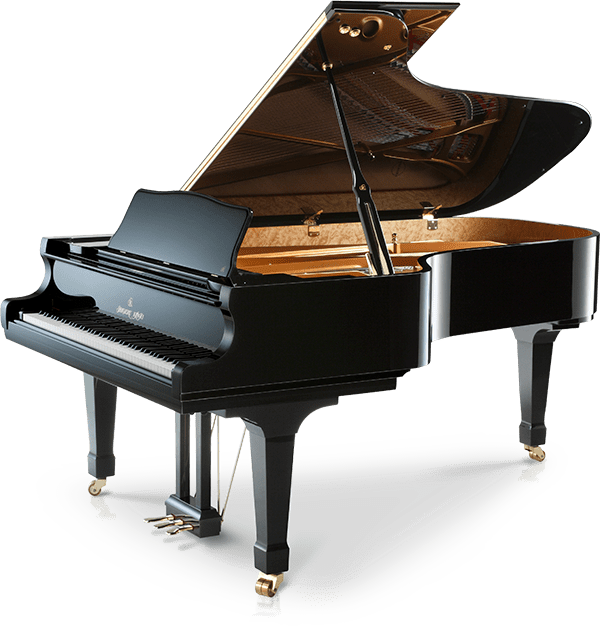
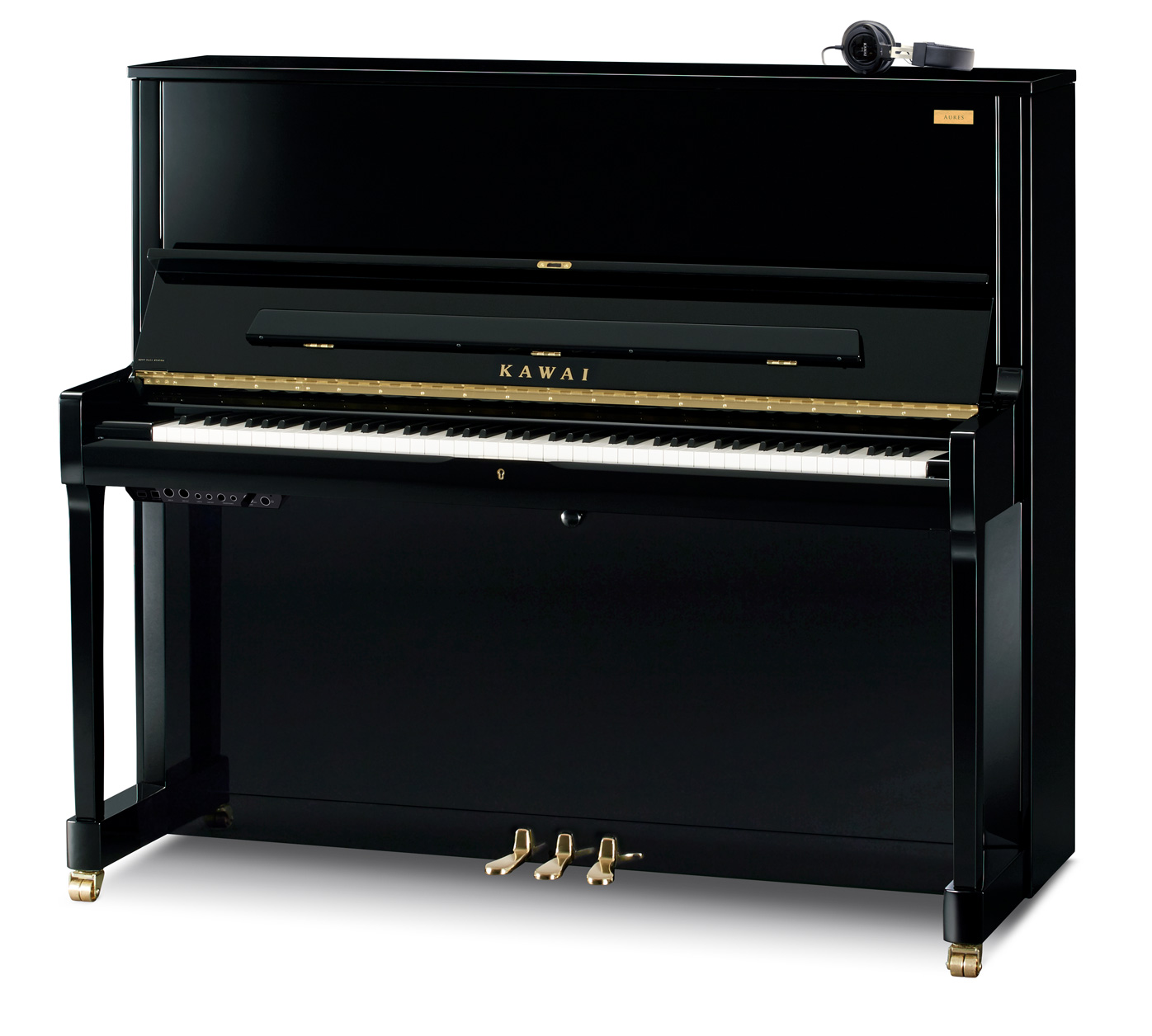
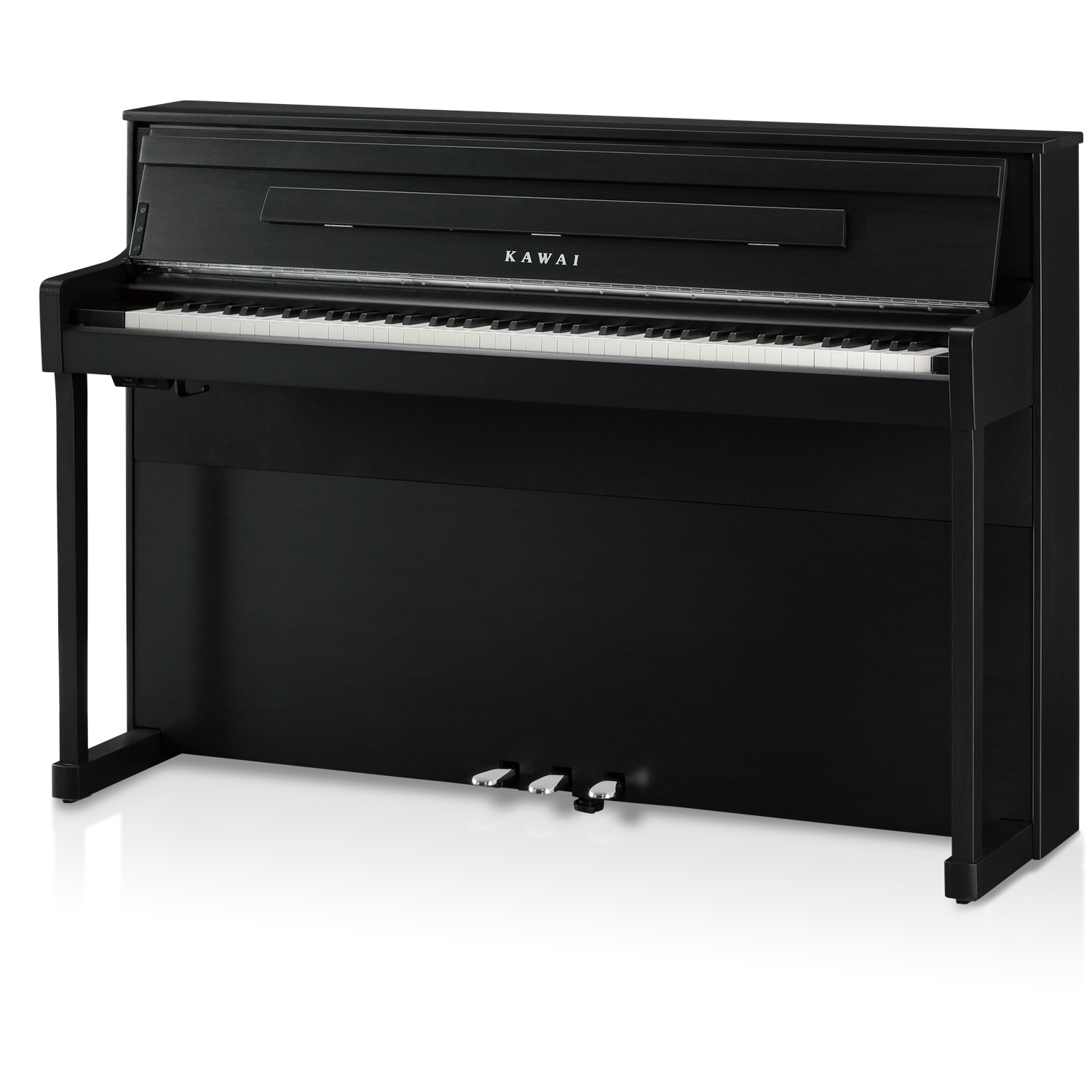
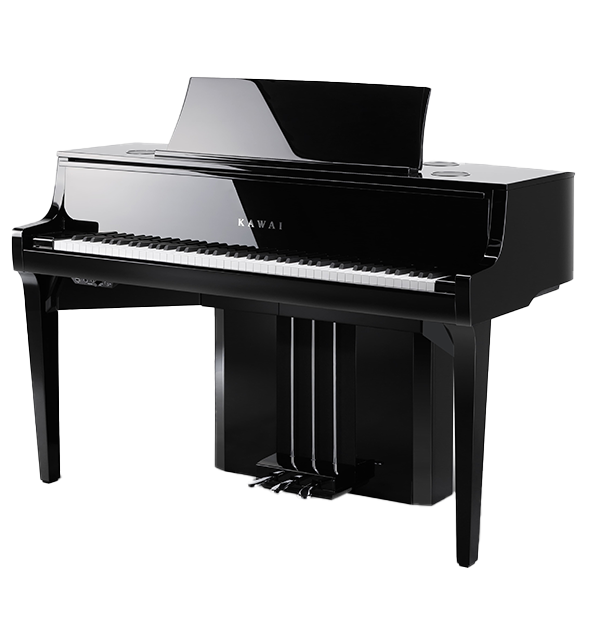
The Kawai Legacy – Over 90 Years of Innovation
Founded by Koichi Kawai in Hamamatsu in 1927, the brand rapidly earned a reputation for:
- Premium tonewoods: Sitka spruce soundboards & African mahogany cabinets for richer resonance.
- Millennium III action: ABS-Carbon composite hammers and key levers that resist humidity and wear, so touch stays consistent decade after decade.
- Double escapement: Borrowed from grand mechanisms, this allows faster repetition than many competitor uprights.
- Virtual Technician™: Digital models let you customize voicing, hammer timing and lid position from an app or touchscreen.
- Eco-conscious build: FSC-certified woods, energy-efficient factories and ISO 14001 environmental management.
Kawai also offers an industry-leading 5-year warranty on all new instruments, along with free first tuning and annual servicing packages. That peace of mind adds real value for long-term musicians and institutions.
Popular Kawai Piano Series – Pick Your Perfect Match
1. Upright Pianos – Compact Powerhouses
Ranging from the ND-21 (125 cm tall, AUD $6,500) to the pro-level K-800 (130 cm, AUD $12,500), these uprights deliver grand-style resonance in smaller rooms. Our mid-tier K-300 falls at AUD $8,900, making it a budget-friendly step up for serious students.
- ND-21: Best for beginners and cramped spaces, under AUD $7K.
- K-300: Student favorite at AUD $8,900 with award-winning touch.
- K-800: Pro-grade at AUD $12,500, rivaling baby grands in projection.
Reviews
“The ND-21 delivers a remarkably clear, resonant voice across all registers, and its build quality feels rock-solid for the price point.”
— Merriam Music
“The K-800 surprises upright skeptics with a touch and tone that verge on a small grand—depth and clarity abound.”
— Merriam Music
2. Grand Pianos – Concert-Ready Performance
From the entry-level GL-10 (161 cm, AUD $25,000) through the GX-7 (278 cm, AUD $40,000), Kawai grands offer precision-machined action and a warm palette. Compared to Yamaha’s C-series, Kawai tends toward a sweeter treble and a rounder bass.
- GL Series: AUD $25K–$35K, ideal for recitals and teaching studios.
- GX Series: AUD $35K–$45K, engineered rim for deeper bass and singing treble.
- Shigeru Kawai: AUD $60K+, hand-crafted flagship models with museum-grade finish.
Reviews
“The GL-10 stands out among baby grands for its balanced action and surprisingly full-bodied tone.”
— MusicRadar
“Kawai’s GX Series rim design gives it a warmth and power that many larger grands struggle to match.”
— PianoBuyer
“The Shigeru SK-EX is nothing short of a masterpiece—immense presence and crystalline clarity on every note.”
— The Piano Company
3. Digital Pianos – Authentic Feel, Modern Convenience
Digital models span AUD $1,200 for the KDP120 learner’s console up to AUD $5,500 for the CA901 premium studio. Real-wood RHIII keys and Progressive Harmonic Imaging samples keep touch and tone feeling organic. Bluetooth MIDI/audio and DAW integration put studio-quality workflows at your fingertips.
- ES920 & ES120: AUD $3,200–$3,800, stage-ready with 4-speaker arrays.
- CN & CA Series: AUD $4,200–$5,500, slim console design, immersive sound.
- KDP120: AUD $1,200, entry price, perfect for home learning.
Reviews
“Finally, a stage piano that balances portability with a full, nuanced sound—ES920 is the real deal.”
— PianoDreamers
“The CN & CA series’ Progressive Harmonic Imaging brings an organic warmth that other digitals often miss.”
— DigitalPianoExpert.com
“The CA901’s sound is breathtakingly rich, and the action feels remarkably close to Kawai’s acoustic models.”
— Best Piano Keyboards
“For beginners on a budget, the KDP120 punches well above its price—solid samples and a durable build.”
— BestDigitalPiano.net
Pros & Cons of Kawai Pianos
Pros
- Rock-solid durability: ABS-Carbon composite actions resist wear, humidity and warping, so your touch stays consistent for decades.
- Extensive lineup: From entry-level digitals (AUD 1,200) to entry grands (AUD 25,000) and Shigeru flagships (AUD 60,000+), there’s a Kawai for every room and budget.
- Advanced customization: Virtual Technician™ lets you tweak voicing, hammer timing, lid position and more—right from an app or touchscreen.
- Eco-friendly build: FSC-certified tonewoods, energy-efficient factories and a 5-year warranty (plus free first tuning) underscore Kawai’s commitment to sustainability and peace of mind.
Cons
- Higher price point on top models: Shigeru and Pro-Series grands demand a serious investment—though they often undercut competitors like Steinway in “performance-per-dollar.”
- Composite vs. wood action feel: ABS-Carbon keys are rock-steady, but purists sometimes prefer the subtle feedback of traditional all-wood mechanics.
- Digital realism limits: High-end digitals nail tone and touch (99% fidelity), but can’t fully reproduce the acoustic overtones and physical resonance of a real soundboard.
- Limited availability: Low-volume runs and global demand mean flagship models can have waitlists of several months in some regions.
Final Thoughts
From finely crafted uprights to digital workhorses, Kawai remains at the forefront of piano design. At Carlingford Music Centre, we’re passionate about matching you to the right instrument—one that inspires creativity today and for decades to come. Financing, servicing and warranty plans ensure your investment grows in value long after the first note is struck.