


 Clearance
 Preloved Instruments


Acoustic vs Digital Piano, What’s the Difference?

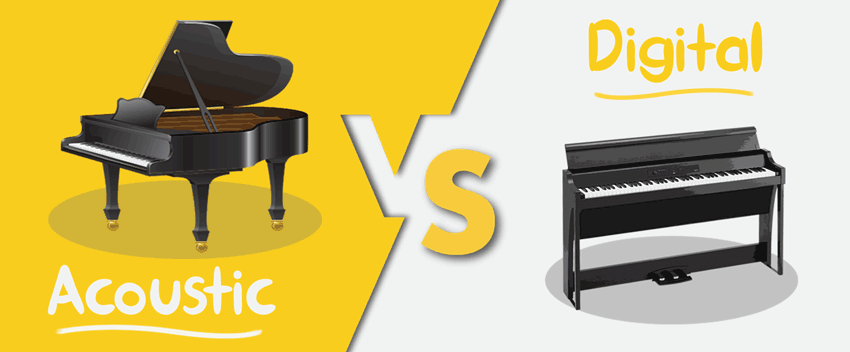
Acoustic vs Digital Piano, What’s the Difference?
Choosing between an acoustic piano and a digital piano is one of the most important decisions in your musical journey. This guide walks you through how each type works, how they sound and feel, and which one might be the best match for your home, your goals, and your budget.

Understanding the Differences: Acoustic vs Digital Pianos
Before getting into details, it’s useful to see the big picture. Both acoustic and digital pianos are designed to help you make music, but they solve slightly different problems and fit different kinds of homes and players.
The acoustic piano, with its hammer-and-string mechanism, resonant soundboard and solid iron frame, delivers a timeless tone that has defined classical concerts, jazz clubs, and professional studios for centuries. When you press a key, you’re physically moving felt hammers, which strike strings and set the entire instrument vibrating. That’s where the warmth, depth and “alive” feeling comes from.
The digital piano approaches the same goal with modern technology. Instead of strings, it uses high-quality recordings or models of real pianos, triggered by sensors under the keys. It adds practical benefits: volume control, headphone practice, built-in learning tools, easy recording, and a much smaller footprint. For many modern players, those conveniences are just as important as the sound itself.
Neither instrument is “better” in an absolute sense. The best choice depends on where you live, when you can practice, how serious you are about technique, and what kind of playing experience makes you want to sit down and play more often.
What Is an Acoustic Piano?
An acoustic piano is the traditional, fully mechanical version of the instrument. When most people picture a grand piano on a concert stage or an upright piano in a living room, they are thinking of an acoustic. It’s built from wood, metal, and felt, and it produces sound through real strings and a resonating wooden soundboard.
History & Origins of the Acoustic Piano
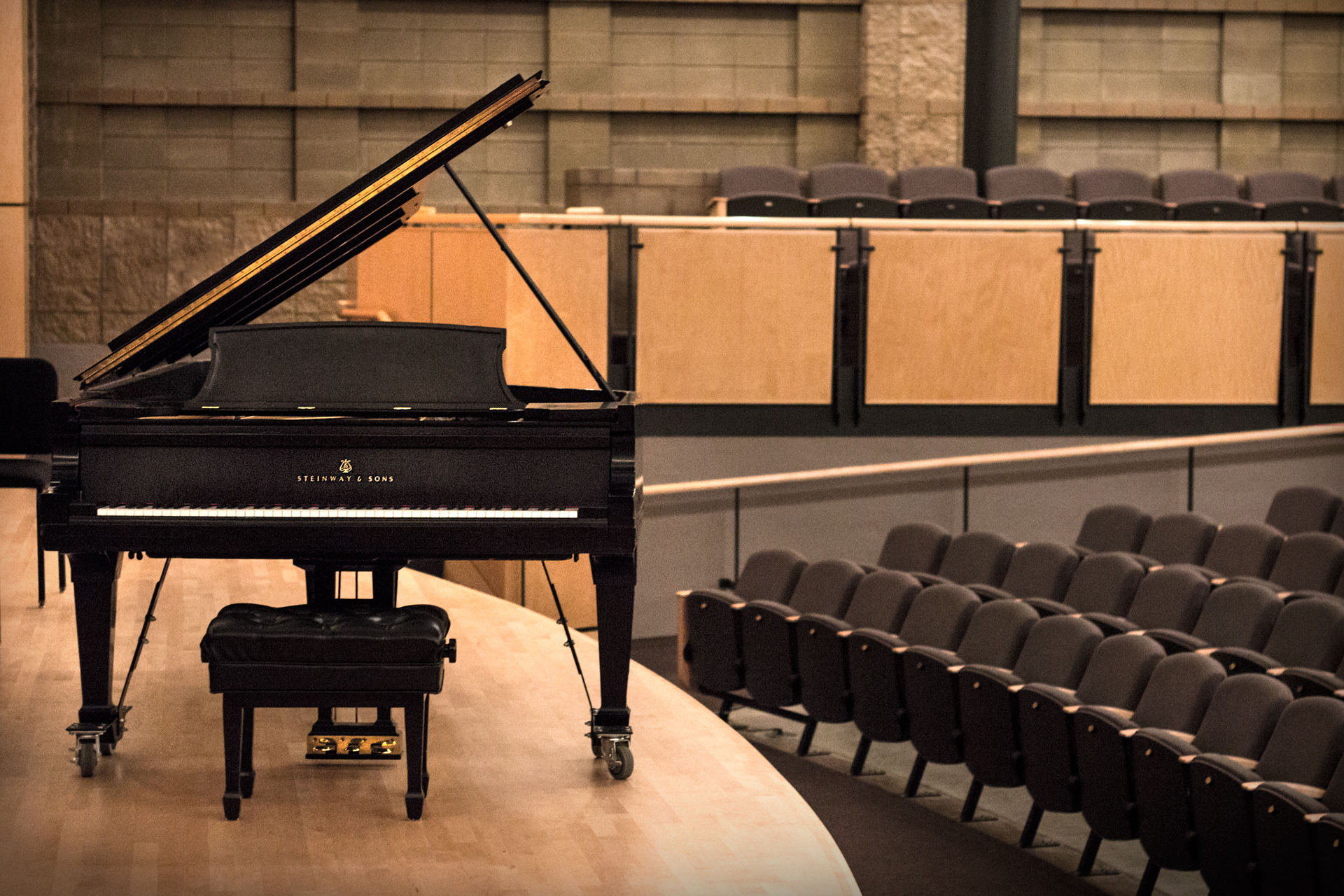
The acoustic piano was developed in the early 1700s by Bartolomeo Cristofori and has evolved through the hands of legendary makers such as Steinway, Petrof, Kawai, Yamaha, and C. Bechstein. Over time, it became the centrepiece of concert halls, conservatories, and family homes.
Brands like Kawai and European-made PETROF (established in 1864) continue this tradition today. They focus on high-quality craftsmanship, carefully selected woods, and refined actions that reward subtle control. By the 20th century, upright pianos in particular became the “family instrument” in many homes, often passed down through generations.
How an Acoustic Piano Feels and Sounds
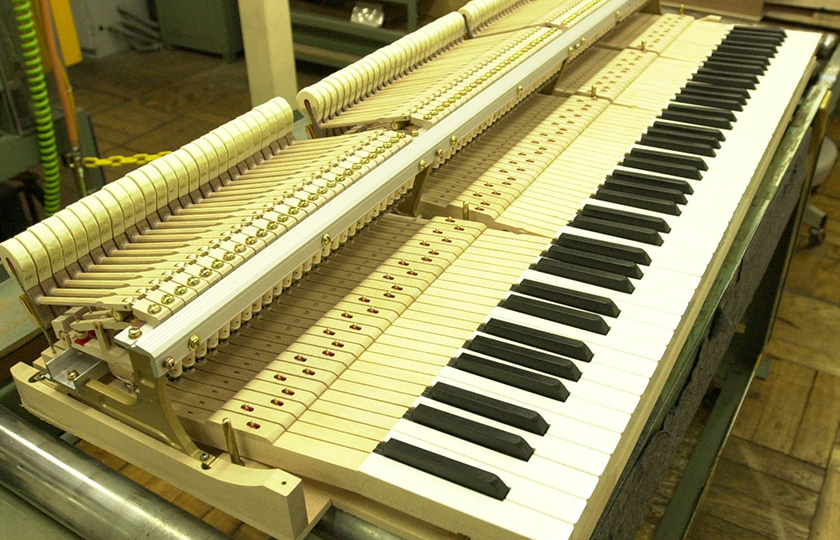
On an acoustic piano, every key is connected to a small mechanical system. Press a key, and a felt hammer swings upward to strike metal strings. Those strings vibrate, the wooden soundboard amplifies the vibration, and the entire instrument “breathes” with the sound.
Because it is purely mechanical, the harder or softer you play, the more nuance you get. You can whisper a melody with the lightest touch, then immediately respond with a powerful, room-filling chord. This wide range of tone and volume is one of the main reasons serious students, teachers, and professionals love acoustics.
The materials matter as well. High-quality spruce soundboards, strong maple or beech in the structure, and carefully shaped hammers all contribute to the rich overtones and long singing sustain that people associate with a good acoustic piano.
Where Acoustic Pianos Shine

Acoustic pianos are the natural choice when nuance and expression are the main priorities. Classical players rely on the subtle control over colour and dynamics. Jazz pianists love the way an acoustic responds to touch, letting them “dig in” to a solo or lay back and blend with the band.
They are also common in theatre pits, film and soundtrack sessions, and professional practice rooms. If you imagine yourself preparing for exams, recitals, or conservatory studies, an acoustic piano gives you the same kind of instrument you’ll meet on stage and in exams.
In short: the acoustic piano is ideal if you want the most natural feel under your fingers, a rich, organic sound, and an instrument that can become a long-term part of your home and musical life.
What Is a Digital Piano?
Digital pianos were created to bring the essence of an acoustic piano into situations where space, volume, or budget make a full acoustic difficult. The aim is to give you a realistic playing experience, while adding modern comforts and flexibility.
How a Digital Piano Works
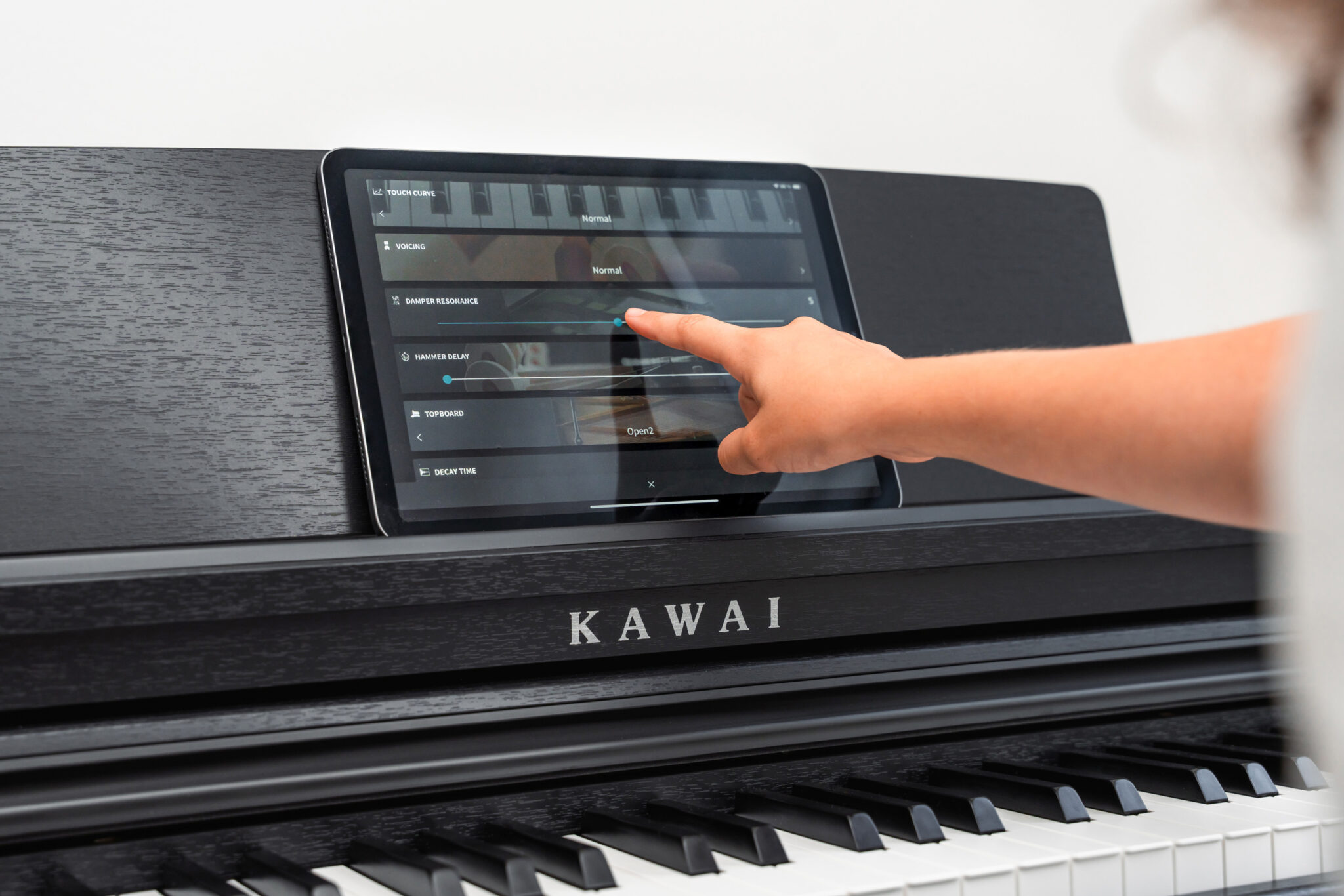
Instead of strings, a digital piano uses electronic sensors under each key. When you press a key, the instrument triggers high-quality recordings or mathematical models of real acoustic pianos. Speakers inside the cabinet project the sound.
Good digital pianos include a weighted or hammer-style action to mimic the resistance you feel on a real piano. Brands such as Kawai, Yamaha, Roland, Casio, and Korg have refined these actions to the point where many players are comfortable practising on them even at higher levels.
Because everything is electronic, you can control the volume, plug in headphones for silent practice, or connect the instrument directly into recording gear, a computer, or a PA system.
Everyday Benefits of a Digital Piano
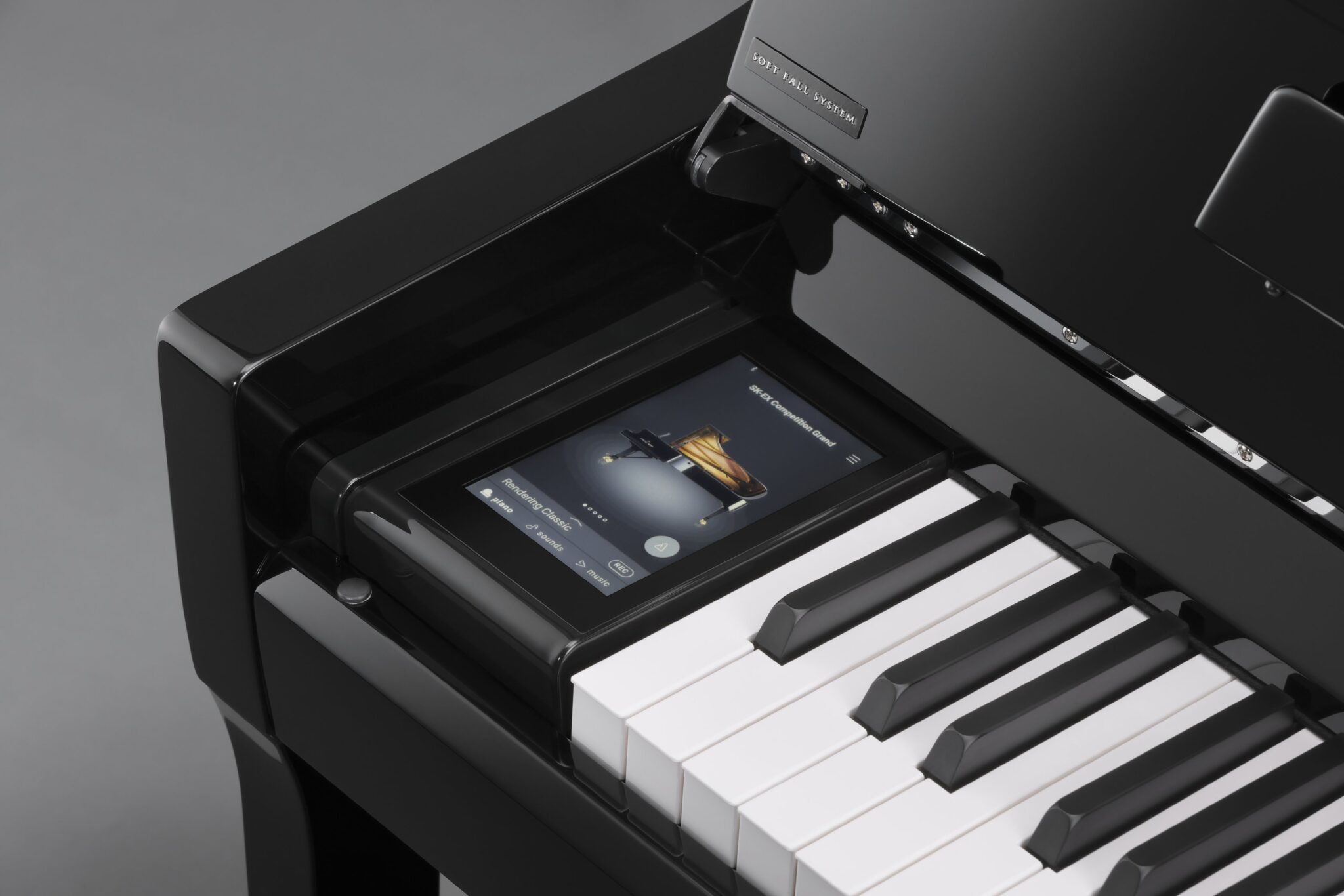
In daily use, digital pianos shine because they are so practical. You can practise late at night with headphones while everyone else is asleep. A volume knob lets you adjust your sound to match a small room, a rehearsal, or a band setting without overpowering anyone.
Most models include a built-in metronome, simple learning functions, and a small selection of extra sounds such as strings, organs, or electric pianos. Many have USB or MIDI connections, so you can hook your piano up to a laptop, record yourself, or use learning apps that show you what to play in real time.
Physically, they are lighter and more compact than acoustics. A home console digital can fit neatly against a wall in a small apartment, and a stage piano can easily go in a car for gigs or rehearsals.
Who a Digital Piano Suits Best
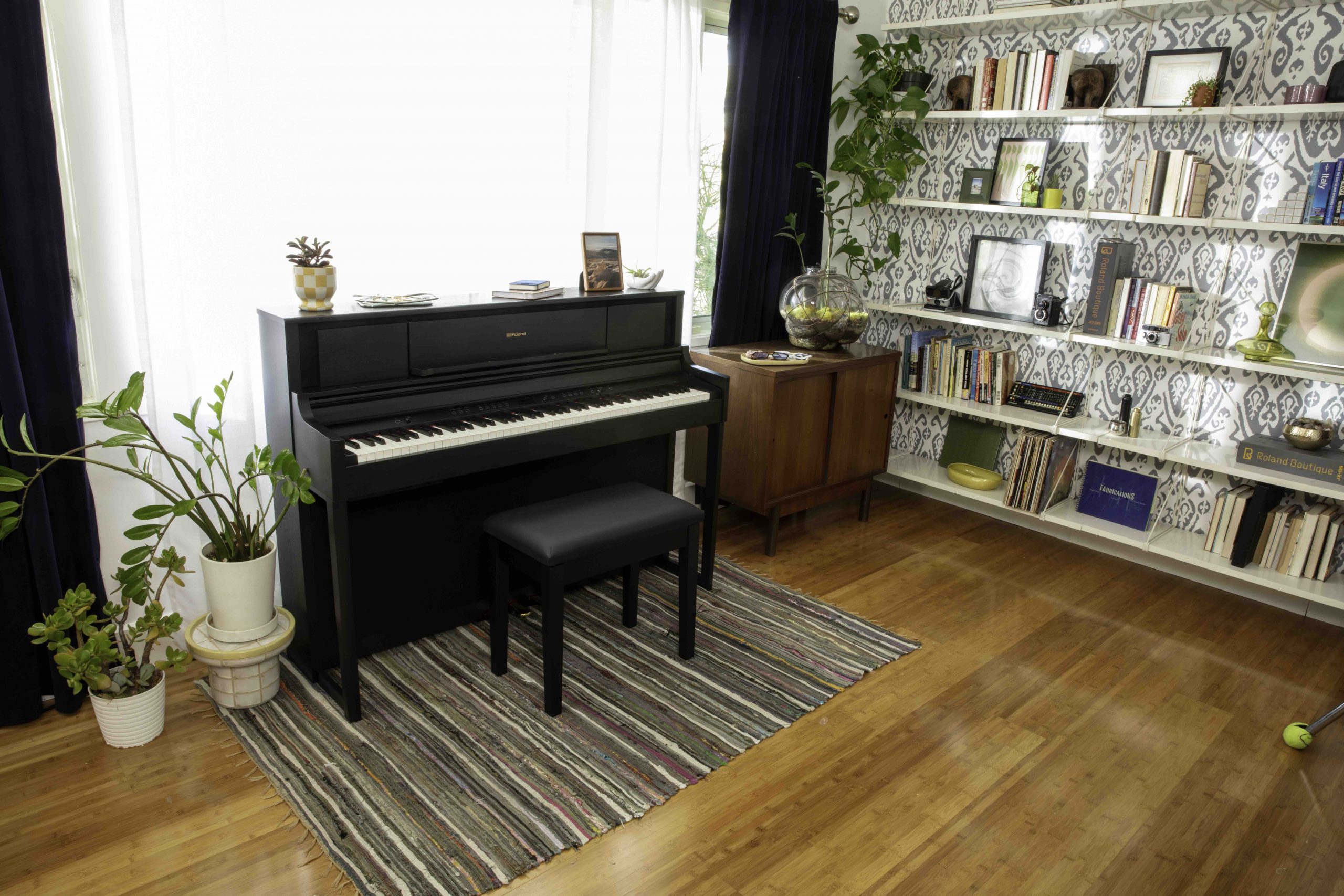
Digital pianos work especially well for people with limited space or strict noise rules. Apartment dwellers, shift workers, and families with young children often love the ability to practise whenever they like without disturbing neighbours.
They are also popular in churches and schools, where reliability, easy amplification, and low maintenance are important. Studio musicians and band players often travel with high-end digital pianos because they are easy to move and integrate perfectly with modern sound systems.
If you are just starting and you are not sure how far you’ll go, a digital piano can be a comfortable and affordable first step that still feels like a real instrument rather than a toy keyboard.
Comparing Acoustic vs Digital Pianos
Once you understand each instrument on its own, it becomes easier to compare them directly. Most people end up weighing five main areas: touch, volume, tone, maintenance, and space or portability.
Touch & Playability
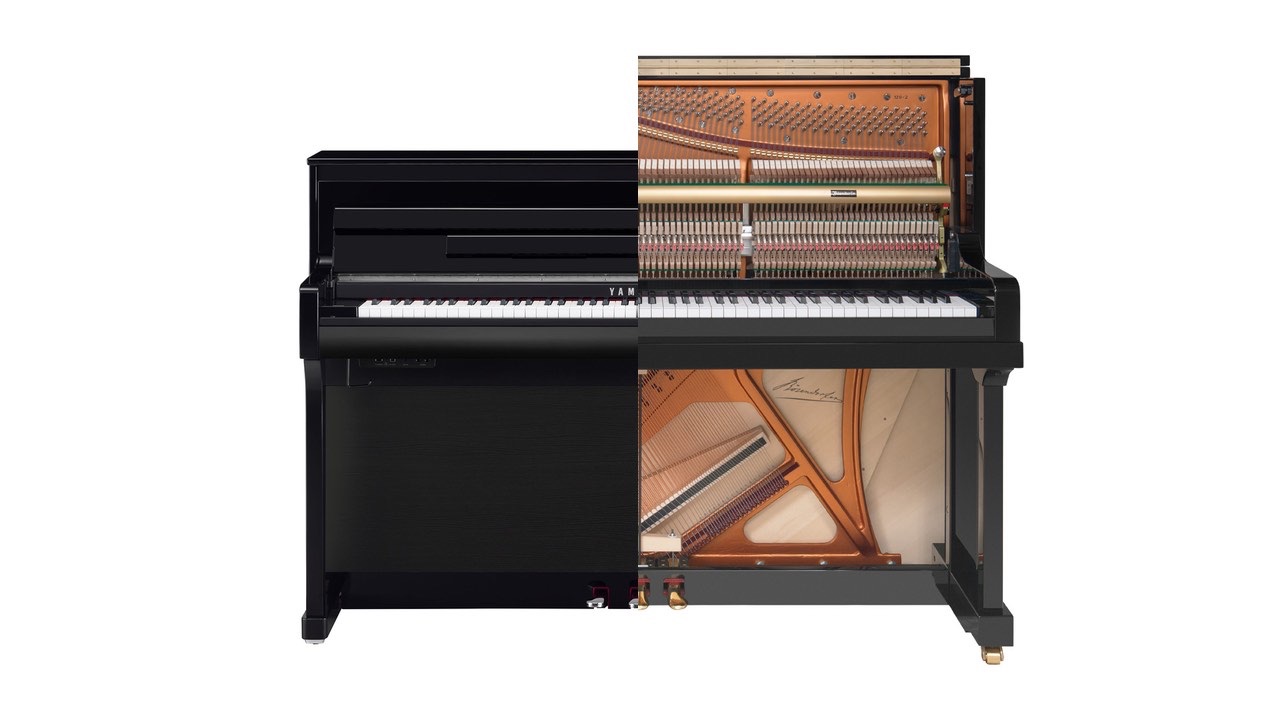
On an acoustic piano, the touch is directly connected to physics. The weight of the keys, the feel of the hammers, and the way the strings respond are all linked. This makes it a superb instrument for developing finger strength, control, and advanced techniques such as fast repetition and fine tone shading.
Digital pianos aim to copy that experience, and mid to high-end models do it surprisingly well. Their actions are designed to feel heavier in the bass and lighter in the treble, just like a real piano. For everyday practice and most levels of playing, a good digital piano can feel very comfortable, especially if you do not have access to an acoustic at home.
Volume & Noise Control
Volume is one of the clearest differences. An acoustic piano is always “honest” about how loud you play. If you press hard, the room fills with sound, which is wonderful in a hall or studio but not always ideal in a small unit with thin walls.
A digital piano lets you shape your volume to your environment. You can turn the volume down for quiet practice, use headphones for completely silent playing, or plug into an amplifier or PA when you need to be heard in a band or on stage. This flexibility is often the reason people who live in apartments choose digital.
Tone, Resonance & Sound Character
The tone of an acoustic piano comes from real strings and a wooden body vibrating in the air. When you hold the pedal and play a chord, you hear not only the direct notes but also the sympathetic vibrations of other strings and the resonance of the soundboard. This creates a complex, “alive” sound that responds to the room around it.
Digital pianos recreate that using carefully sampled or modelled sounds. The best instruments include resonance simulation, key-off noise, and other details to get close to the real thing. The result is clean, consistent, and very usable, especially in recordings or amplified settings. However, if you stand next to both instruments and play the same piece, the acoustic usually still feels more three-dimensional and natural to the ear.
Maintenance & Longevity
Owning an acoustic piano is a bit like owning a car: it rewards regular care. Most acoustics need tuning once or twice a year, checks on regulation and voicing from time to time, and a reasonably stable environment without extreme humidity swings. In return, a well-maintained acoustic can last anywhere from 30 to over 100 years and can even be rebuilt for future generations.
A digital piano behaves more like a piece of electronic equipment. It doesn’t need tuning and usually just needs dusting and sensible handling. Over a span of 10–20 years, technology can move on, and you may eventually choose to upgrade for new features, sounds, or connectivity, rather than because the instrument has mechanically worn out.
Portability & Space
An upright or grand acoustic is heavy and not easily moved. You generally decide where it will live in your home and it stays there, and if you move house, you call a piano moving specialist.
Digital pianos are much more flexible. A slim home console can be moved to another room by two people, and a stage piano can easily travel to rehearsals, churches, schools, and gigs. If your living situation is likely to change, or you need to take your instrument out regularly, digital has a clear advantage.
Cost & Overall Investment
In general, acoustic pianos require a higher initial investment, but they pay it back over a long lifespan and the depth of experience they offer. Many families treat them as long-term musical furniture, something that becomes part of the home.
Digital pianos, by contrast, offer a much easier entry point. You can get a serious, fully weighted digital for the price of a second-hand upright in need of work, and enjoy lower ongoing costs because there is no tuning bill. At the top end, hybrid digitals and premium models can be a significant investment too, but they still bring all the convenience of the digital world.
Pros & Cons in Real Life
Rather than a long checklist, it helps to imagine real situations. If you are a teenager preparing for classical exams and planning conservatory auditions, practising on an acoustic every day will prepare your ears and fingers for the instruments you’ll encounter in exams and performances.
If you are an adult returning to piano after years away, living in an apartment with neighbours on the other side of every wall, a digital piano with headphones might be the only way you can realistically play at 11pm after work.
Parents often choose digital pianos for children’s first years because of the lower cost, the fun features, and the ability to turn the volume down. Later, once the child has stuck with it and is playing more advanced music, the family might trade up to a quality acoustic upright to take their playing to the next level.
Professional studio musicians frequently own both: an acoustic grand for recording and serious playing at home, and a high-end digital or stage piano for gigs, touring, and late-night idea sketching with headphones.
How to Choose the Right Piano for You
When you are standing in front of two instruments, one acoustic and one digital, it can feel overwhelming. A practical way to decide is to run through a few simple questions in your mind.
Ask yourself where the piano will live and who will hear it. If you share walls with neighbours or have young children sleeping nearby, the ability to practise quietly may be more valuable than having real strings vibrating. If you live in a house with a dedicated music room, an acoustic may make perfect sense.
Think about your musical goals over the next five to ten years. If you dream of classical exams, jazz gigs, or advanced repertoire, an acoustic will reward you every step of the way. If you mainly want to play for relaxation, learn chords, write songs, or integrate with a computer-based studio, a digital might line up more naturally with how you work.
Finally, consider your budget and how committed you feel. A good digital piano lets you start strong without over-stretching, and you can always move to an acoustic later if your passion grows. Both options are “real instruments” and both can support serious musical progress when used consistently.
Rule of thumb: choose the piano that makes it easiest for you to sit down and play often. The instrument you love using is the one that will help you improve.
Expert Opinions & Player Experiences
Different kinds of players naturally gravitate toward different solutions. Hearing how they think about their instruments can help you see where you fit.
Professional Pianists & Teachers

Concert pianists and many teachers prefer acoustics because they reveal every detail of a player’s touch. In lessons, an acoustic makes it easy to demonstrate tone, pedalling, and phrasing. For performances and exams, the standard instrument is almost always an acoustic grand, so practising on one at home feels natural.
At the same time, these same professionals often keep a digital or hybrid instrument for situations where noise or space is an issue. A teacher might have an acoustic in the studio and a digital at home, for example.
Beginners, Students & Casual Players

Beginners often appreciate how approachable digital pianos are. Built-in metronomes, simple recording, and the option to use learning apps make practice less intimidating. Being able to plug in headphones also removes the fear of “everyone hearing your mistakes” in the early days.
As students progress, many gradually develop a taste for the extra detail and responsiveness of an acoustic. A common path is: start on a digital, fall in love with playing, and eventually move to a quality acoustic upright or grand once the commitment is clear.
Conclusion: Which Piano Should You Choose?
There is no single right answer for everyone. Acoustic pianos offer unmatched depth of tone, long-term durability, and the most natural, expressive feel. Digital pianos offer flexibility, quiet practice, easy recording, and a more accessible price range.
Ultimately, the best way to decide is to sit at both types of instruments, play the same simple piece, and notice how they make you feel. Your hands and ears will often tell you more than any spec sheet.
Try Acoustic & Digital Pianos at Carlingford Music Centre
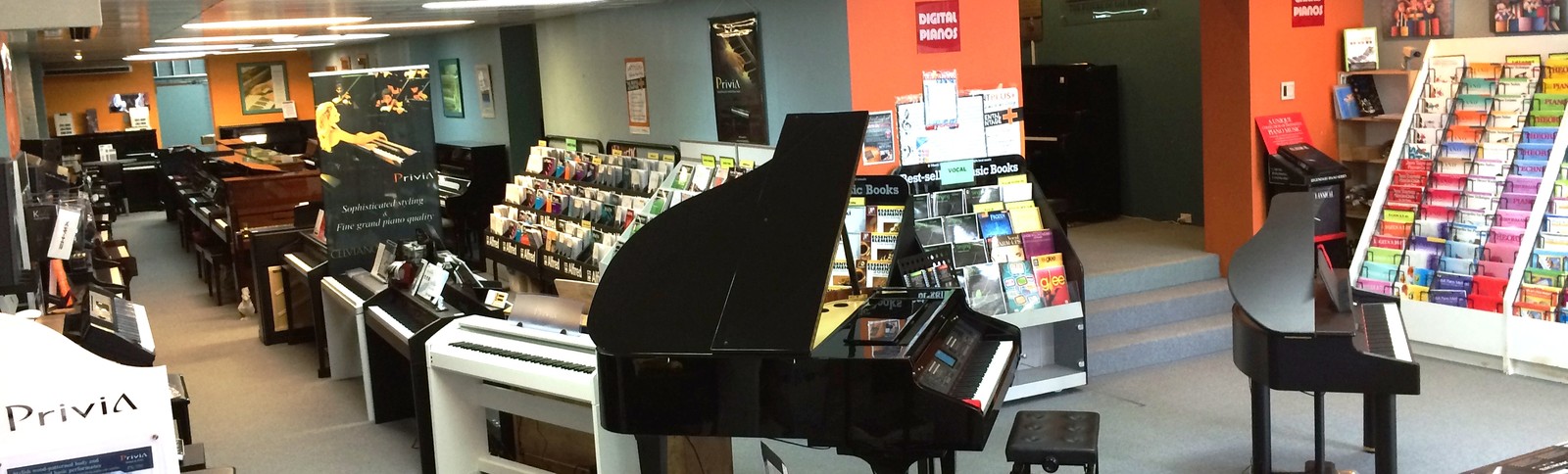
At Carlingford Music Centre, you can compare both worlds in a relaxed, musical environment. Play new Kawai uprights from Japan’s premier piano makers, explore warm European PETROF pianos, and try quality used instruments from Yamaha, Bechstein, Blüthner, Steinway and more.
Right alongside them, you can test digital pianos from Roland, Kawai, Yamaha, Casio and others, swapping from one to the other in seconds to really feel the difference.
Our staff can talk you through touch, tone, features, and long-term suitability based on your goals and living situation. Experiencing the instruments side by side is the most reliable way to find the piano that truly resonates with you.
FREE parking is available near Carlingford Light Rail. Visit us today and discover your perfect piano.